
Key Takeaways
- Prescription opioid addiction can develop from medications like oxycodone, hydrocodone, morphine, and fentanyl, even when they are taken exactly as prescribed for pain management.
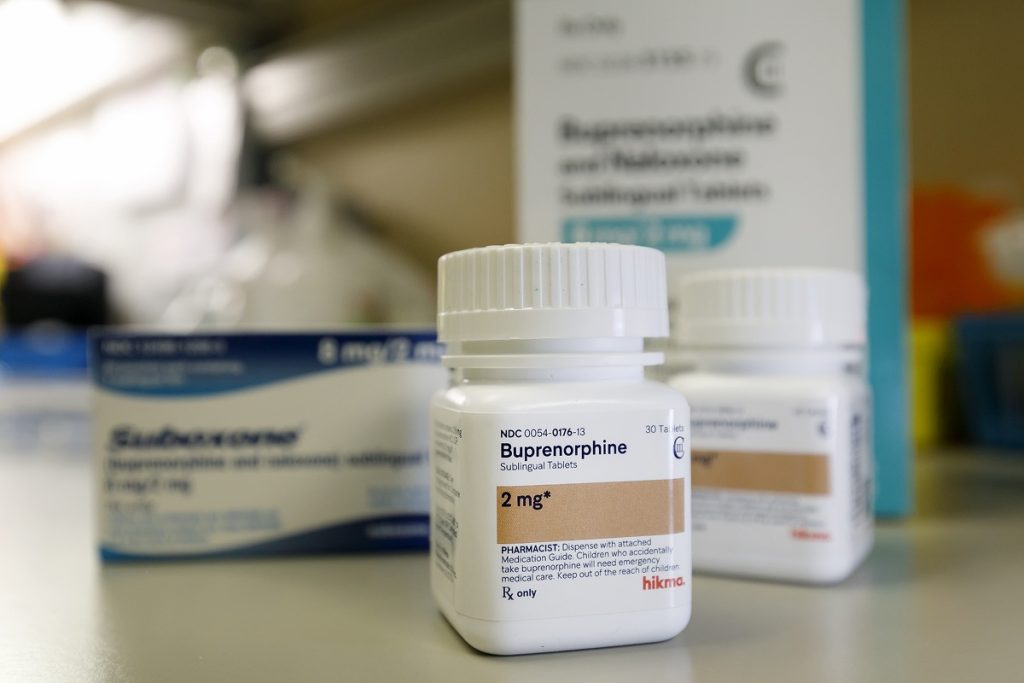
- Effective prescription opioid addiction treatment often includes residential rehab, behavioral therapy, medication-assisted treatment (MAT), and long-term relapse prevention support to reduce overdose risk and support recovery.
- Combining opioids with benzodiazepines like Xanax or Klonopin significantly increases the risk of respiratory depression, overdose, and opioid-related death.
Prescription opioid addiction treatment helps individuals recover from dependence on medications like oxycodone, hydrocodone, fentanyl, and morphine. While prescription opioids are commonly used for pain management, long-term use can increase the risk of physical dependence, opioid addiction, and overdose.
Effective opioid addiction treatment often includes therapy, structured rehab programs, medication-assisted treatment, relapse prevention planning, and long-term recovery support. At DeNovo Recovery in St. Joseph, Missouri, we provide comprehensive prescription opioid addiction treatment for individuals struggling with opioid use and co-occurring mental health conditions.
Understanding Prescription Opioid Addiction
Prescription opioids are powerful medications used to treat moderate to severe pain. Common prescription opioids include:
- oxycodone
- hydrocodone
- morphine
- fentanyl
- codeine
While these medications can effectively manage pain, they also affect the brain’s reward system by increasing dopamine levels and creating feelings of relaxation or euphoria. Over time, the brain can begin to rely on opioids to function normally, increasing the risk of physical dependence and addiction.
Many people develop opioid dependence gradually, especially when opioids are used long-term, taken in higher doses, or combined with substances like alcohol or benzodiazepines.
Common Prescription Opioids
| Prescription Opioid | Common Brand Names |
| Oxycodone | OxyContin, Percocet |
| Hydrocodone | Vicodin, Norco |
| Morphine | MS Contin |
| Fentanyl | Duragesic |
| Codeine | Tylenol with Codeine |
Prescription Opioid Addiction Statistics
Prescription opioid misuse continues to be a major contributor to opioid addiction and overdose deaths in the United States.
According to the Centers for Disease Control and Prevention (CDC), nearly 75% of drug overdose deaths involving opioids in recent years involved synthetic opioids like fentanyl. Many people who develop opioid use disorder begin with prescription pain medications before transitioning to stronger or illicit opioids.
Research also shows that individuals taking prescription opioids long-term are at a significantly higher risk of developing opioid dependence, especially at higher dosages or when opioids are combined with benzodiazepines.
Why Prescription Opioids Are Addictive
Prescription opioids affect the brain’s reward system by increasing dopamine levels and creating feelings of pain relief and euphoria.
Over time, the brain can become dependent on opioids to function normally. As tolerance develops, individuals may need larger doses to achieve the same effects, increasing the risk of addiction and overdose.
Risk Factors for Opioid Addiction
| Risk Factor | Impact |
| Long-term opioid use | Increases risk of physical dependence |
| Higher doses | Raises overdose and addiction risk |
| Mixing substances | Combining opioids with alcohol or benzodiazepines increases danger |
| Personal or family history of addiction | May increase vulnerability to opioid misuse |
| Mental health conditions | Anxiety, depression, and trauma can contribute to substance use |
Even people who take opioids exactly as prescribed can develop opioid dependence over time.
Signs of Prescription Opioid Addiction
Prescription opioid addiction often develops gradually, making it difficult to recognize early warning signs.
Common Signs of Opioid Addiction
Signs of prescription painkiller addiction may include:
- taking more medication than prescribed
- running out of prescriptions early
- cravings for opioids
- increased tolerance
- withdrawal symptoms between doses
- mood swings or irritability
- withdrawing from family or social activities
- financial or legal problems related to opioid use
If opioid use is becoming difficult to control, professional addiction treatment may help.
Prescription Opioid Withdrawal Symptoms
Opioid withdrawal can be physically and emotionally overwhelming, especially after long-term opioid use.
Common Opioid Withdrawal Symptoms
| Physical Symptoms | Psychological Symptoms |
| Nausea and vomiting | Anxiety |
| Sweating | Irritability |
| Muscle aches | Restlessness |
| Diarrhea | Insomnia |
| Chills | Intense cravings |
Although opioid withdrawal is usually not life-threatening, symptoms can be extremely uncomfortable and difficult to manage without professional support.
Prescription Opioid Rehab Programs at DeNovo Recovery
DeNovo Recovery provides a full continuum of care for prescription opioid addiction treatment in Missouri.
Residential Treatment
Residential rehab provides 24/7 support in a structured environment away from triggers and outside stressors. Most clients remain in residential treatment for 30 to 90 days, depending on their needs and recovery progress.
Residential care may include:
- individual therapy
- group counseling
- relapse prevention planning
- family therapy
- wellness activities
- recovery education
Partial Hospitalization Program (PHP)
Our day treatment program provides intensive clinical care during the day while allowing clients to return home in the evenings.
Intensive Outpatient Program (IOP)
IOP offers flexible addiction treatment for individuals balancing work, school, or family responsibilities while continuing therapy and recovery support.
Aftercare and Alumni Support
Long-term recovery often requires ongoing support. Aftercare planning and alumni programs help individuals maintain accountability and reduce the risk of relapse after treatment.
Therapies Used in Prescription Opioid Recovery
Successful opioid addiction treatment addresses both physical dependence and the underlying causes of addiction.
Cognitive Behavioral Therapy (CBT)
CBT helps individuals recognize unhealthy thought patterns and behaviors connected to opioid use.
Dialectical Behavior Therapy (DBT)
DBT teaches coping skills for emotional regulation, stress management, and relationship improvement.
Trauma Therapy
Trauma-focused therapy helps individuals process painful experiences that may contribute to substance use.
Group Therapy
Group therapy creates peer support, accountability, and connection with others in recovery.
Family Therapy
Family involvement can strengthen communication, rebuild trust, and improve long-term recovery outcomes.
Treating Co-Occurring Mental Health Disorders
Many individuals struggling with opioid addiction also experience:
- anxiety
- depression
- PTSD
- bipolar disorder
- benzodiazepine misuse
Integrated dual diagnosis treatment addresses both substance use and mental health conditions at the same time for stronger long-term recovery outcomes.
The Dangers of Combining Opioids and Benzodiazepines
Combining prescription opioids with benzodiazepines such as Xanax or Klonopin can be extremely dangerous.
Both substances slow breathing and depress the central nervous system. When combined, the risk of:
- overdose
- respiratory depression
- sedation
- death
increases significantly.
Individuals using both opioids and benzodiazepines should seek professional medical support immediately.
Start Your Recovery Journey at DeNovo Recovery
Prescription opioid addiction can affect every part of a person’s life, but recovery is possible with the right treatment and support.
If you or someone you love is struggling with opioid addiction or benzodiazepine misuse, DeNovo Recovery offers compassionate, evidence-based care designed to support long-term healing and lasting recovery in Missouri. Contact DeNovo Recovery today for help.
Frequently Asked Questions
What is prescription opioid addiction?
Prescription opioid addiction is a chronic condition involving compulsive opioid use despite negative consequences. It can develop from medications like oxycodone, hydrocodone, morphine, or fentanyl.
How long does opioid withdrawal last?
Most opioid withdrawal symptoms begin within several hours to a few days after the last dose and may last about 5 to 10 days, depending on the opioid used and the length of use.
What is medication-assisted treatment for opioid addiction?
Medication-assisted treatment (MAT) combines behavioral therapy with medications that help reduce cravings and support long-term recovery from opioid addiction.
Can prescription opioid addiction be treated successfully?
Yes. With professional treatment, therapy, recovery support, and ongoing relapse prevention planning, many people successfully recover from prescription opioid addiction.
What are the signs of prescription opioid addiction?
Common signs of opioid addiction include cravings, increased tolerance, withdrawal symptoms, taking more medication than prescribed, and continued opioid use despite negative consequences.